
English level at the end of Italian middle school: A2, INVALSI and KET
6 October 202610 min read
In brief
- By the end of the final year of middle school (age 13–14), the English target set by the Italian National Curriculum Guidelines is level A2 of the Common European Framework of Reference (CEFR). For the second foreign language it is A1.
- INVALSI, the Italian national school tests, checks it in reading and listening: in 2026, 83% of students reached A2 in reading and 70% in listening. Speaking and writing are not measured.
- A2 means getting by in everyday, predictable situations. The KET (A2 Key) certifies it in all four skills; the next step, B1, takes on average another 150–200 guided hours.
“What English level should they have by the end of middle school?” The official answer is short: A2. But “A2” is a code that says little to a parent. Does it mean a 13-year-old speaks well? That they can watch a series in English? That they are ready for a language-focused secondary school? Below, the code becomes concrete sentences, we explain what INVALSI really measures, and you get a checklist to see where they are, without waiting for the school report.
What English level is expected at the end of Italian middle school?
The new National Curriculum Guidelines for the first cycle of education (Italian primary and middle school, ages 6–14), approved by Ministerial Decree no. 221 of 9 December 2025, set two targets for English: level A1 at the end of primary school (in Italy, ages 6–11) and level A2 at the end of Italian middle school (ages 11–14), according to the Common European Framework of Reference (CEFR). For the second foreign language, French, Spanish or German, the target at the end of middle school is A1. In classes with enhanced English, five hours a week and no second language, the expected level can be higher than A2.
This is not completely new: the 2012 Guidelines also indicated A2. The new ones are being introduced gradually, starting with first-year classes from the 2026/2027 school year.
What does level A2 mean in practice?
The Council of Europe describes A2 like this: a person at A2 understands sentences and frequently used expressions related to things that matter to them directly (family, shopping, their neighbourhood); communicates in simple, routine situations that need a direct exchange of information; and describes their own life and surroundings in simple terms. Translated into the life of a 13-year-old, here is what they can do.
- Order in a café and ask the price:
- Tell the story of the weekend in the past tense:
- Ask for repetition when they do not understand:
- Give and follow simple directions:
- Suggest and organise:
- Write a short message or email to a friend to invite them, thank them or tell them about a day.
- Understand the gist of an announcement, a sign, a short conversation spoken clearly.
What you should not expect from an A2: following a film without subtitles, discussing an abstract topic, writing an argumentative text. Those are B1 and B2 skills.

Is A2 a good level?
For a 13-year-old, yes: it is the target set by the school, and it is a real foundation. But it is worth calling it by its name. The Council of Europe groups A1 and A2 under the label basic user; B1 is the first level of independent user. An A2 student gets by in predictable situations; a B1 student also gets by when something goes wrong, on a trip or in a conversation that changes topic. That is why many parents, rightly, see A2 as a starting point for secondary school rather than as a finish line.
There is also a figure worth thinking about: according to INVALSI, listening is the most fragile skill in Italy. In 2026, in the final year of middle school, A2 in reading was reached by 83% of students, in listening by 70%. Almost one student in three, at 13, struggles to understand simple, clear spoken English.
Year by year: a rough guide
The Guidelines set the target at the end of the final year, not a level for each year. This is our own reading, to help you get your bearings.
| School year | Where they should be | What to work on |
|---|---|---|
| First year of middle school (age 11–12) | Solid A1, the first elements of A2 | Consolidating the present, everyday vocabulary, listening to simple sentences |
| Second year of middle school (age 12–13) | A2 under construction | The past, telling about experiences, writing short messages, talking about themselves in more sentences |
| Final year of middle school (age 13–14) | A2 reached; the strongest heading towards B1 | Understanding authentic conversations and audio, writing emails, giving reasons for a preference |
How does the INVALSI English test work in the final year of middle school?
The INVALSI English test in the final year of middle school is taken on a computer, in spring, and is divided into two parts: reading, about 45 minutes, and listening, about 30 minutes. It is a “two-level” test: it contains A1 tasks and A2 tasks, so that it also describes the result of students who do not reach A2.
- What it measures: only reading and listening. Speaking and writing are not assessed.
- The result: it is reported in the certificate of competences issued at the end of the first cycle, separately for reading and listening, as the level reached.
- The mark: the result does not count towards the final middle-school exam mark, but taking the test is a requirement for being admitted to the exam.
In other words, INVALSI tells you a lot about how much they understand, and nothing about how well they speak and write. This is where an external certificate can complete the picture.
What is the KET for in the final year of middle school?
A2 Key for Schools, the old KET, is the Cambridge exam at level A2, designed for teenagers. Compared with INVALSI it has three important differences.
- It measures all four skills: reading, writing, listening and speaking, with a paired Speaking test in front of two examiners.
- It gives an international certificate that, according to Cambridge, does not expire: it records the level reached on that date.
- It rewards those who go further: with a Grade A, that is 140–150 points on the Cambridge English Scale, the certificate shows level B1.
It makes sense to take it in the final year of middle school when A2 is really there, above all in speaking and writing: it becomes a confirmation, and a great experience of a “real” exam before secondary school. If the student is already solid, it may be worth aiming straight for B1 Preliminary. We explained the differences in the article after Flyers: KET, PET or First?
A2 or B1 at the end of middle school?
It depends on the starting point. B1 at 13 is an excellent result, but it is not the school target: it is reached by those who have had a lot of exposure to English, often started young and continued regularly. How much does it take? According to Cambridge estimates, reaching A2 from zero takes about 180–200 hours of guided learning, and B1 about 350–400. Between the two levels there are therefore on average 150–200 hours with a teacher, which shorten with English lived outside the classroom: series, music, conversations, reading.
How to tell where they are: the A2 checklist
Before any test, watch them with these 10 questions. If the answer is “yes, on their own” to at least 8, A2 is there. Between 5 and 7, it is on its way. Below 5, it is worth strengthening the basics. You will also find the checklist as a PDF, to print and fill in together.
- They introduce themselves and talk about their family, school and interests for at least a minute.
- They tell you what they did last weekend, using the past tense.
- They order food and ask how much it costs.
- They ask for and understand simple directions.
- They write a message of 3–4 sentences to invite a friend or thank them.
- They understand the general meaning of a short video in English on a topic they know.
- They understand an announcement, a sign, a timetable.
- When they do not understand, they know how to ask for repetition in English.
- They express a preference and say why, even with simple sentences.
- They read a short text, such as an email or an article for teens, and understand the main information.
For a more objective result, our online English test gives a first idea of the level in about 20 minutes, in the form of a game and without marks.
What to do in the first and second year of middle school to be ready
The same National Guidelines ask that by the end of the final year students can understand the content of films, TV series, podcasts and online videos on topics that interest them. It is also a great suggestion for home.
- Series and videos in English, with English subtitles: they train exactly listening, the most fragile skill.
- Speaking every week, not just studying: spoken English grows only by using it, and INVALSI does not measure it.
- Writing real things: a message to a friend, a review of a favourite game, an email.
- A little, but every day: twenty minutes a day are worth more than two hours crammed into a single day.
How we work with middle-school students
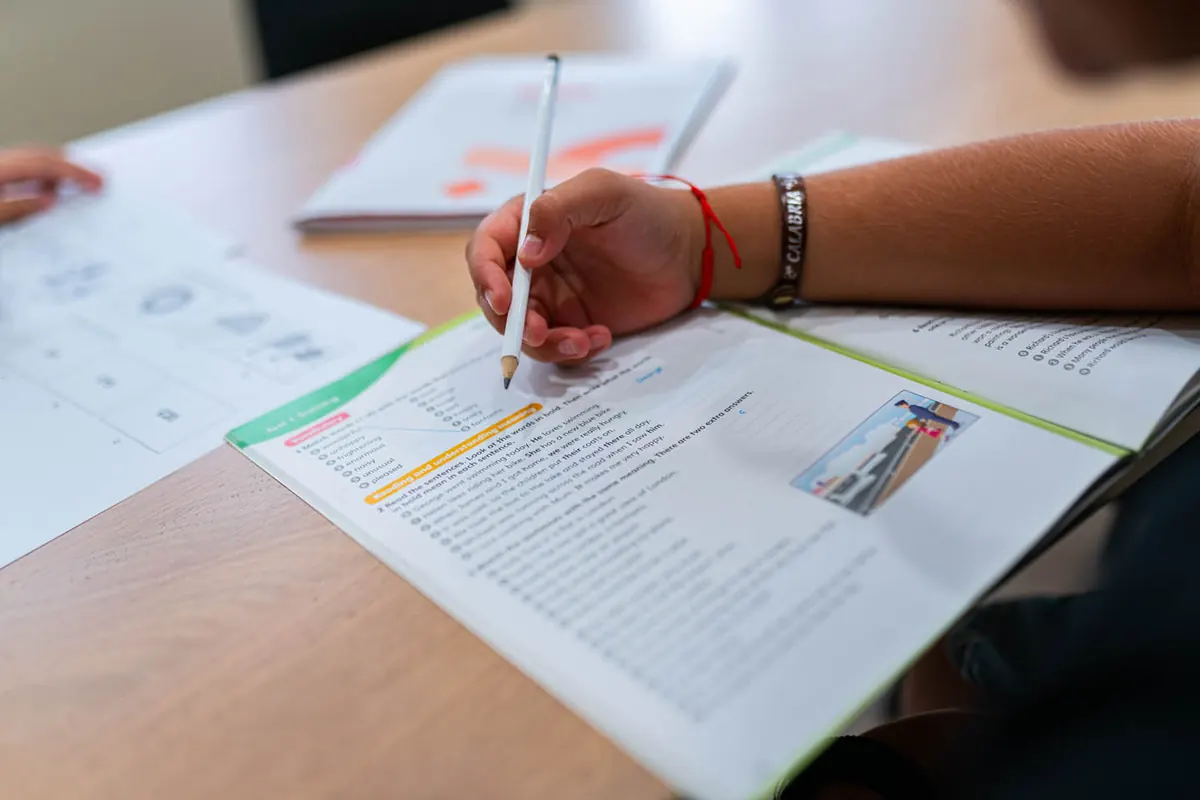
At KOKOland, students aged 11 to 13 follow the Junior programme: two 60-minute sessions a week, in groups of at most 6 peers. In LANGUAGE LAB the language is built, grammar and vocabulary in practical contexts; in SPEAK UP it is used, in the speaking lab with international calls and My Writing Pal. These are exactly the two skills, speaking and writing, that school measures least.
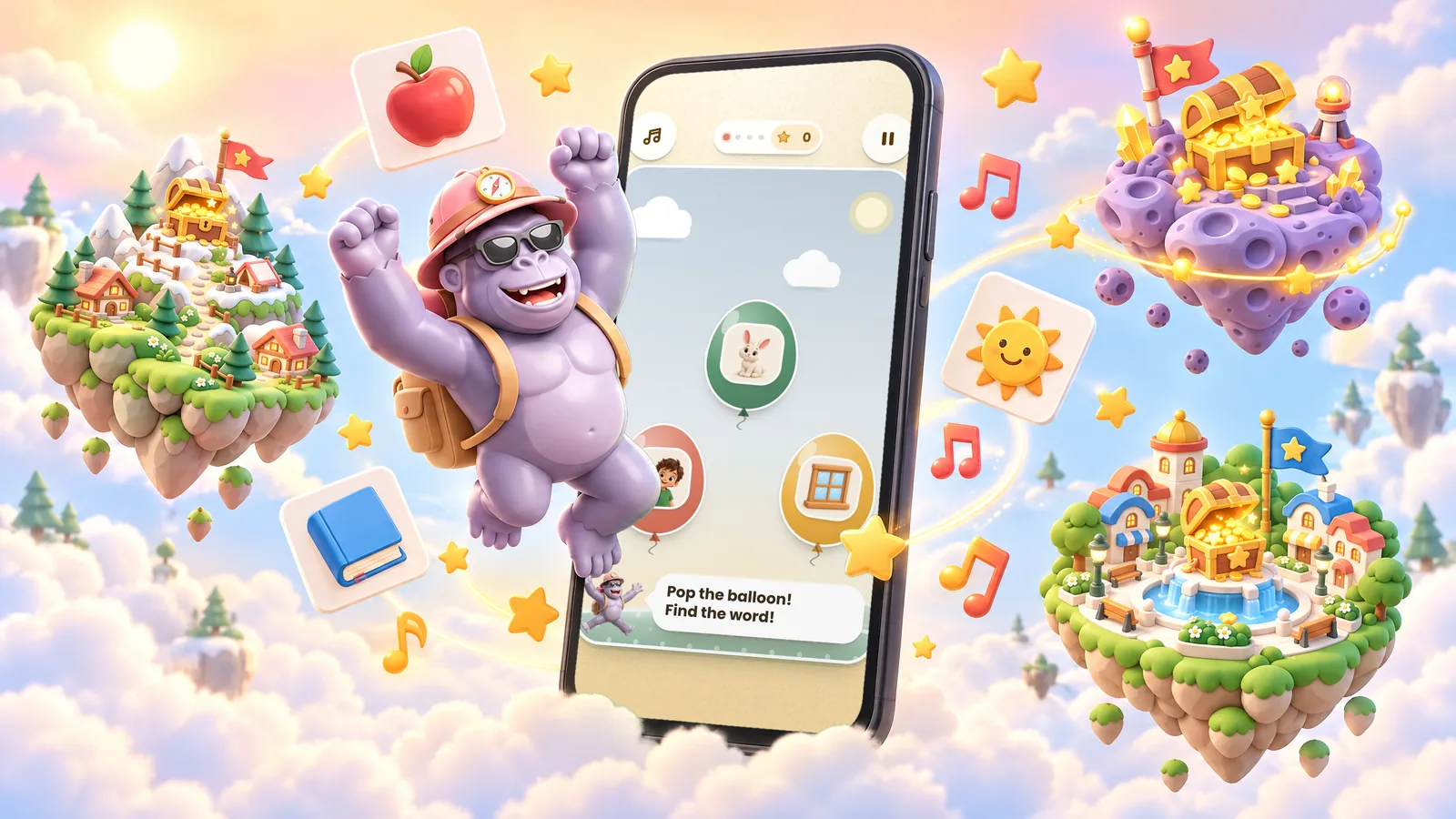
At home the programme continues with KOKO Play, the app we designed and developed at KOKOland: 20-minute sessions in their own world, Explorer Universe, with their own Avatar, exam practice and the homework set by the teacher. In all, over 4 hours of English a week. The Cambridge exams, A2 Key for Schools and B1 Preliminary for Schools, are taken at our school and are always optional: it is the teaching team who suggest them when the student is ready, and on the Cambridge exams page you will find all the details.
Frequently asked questions
What English level is expected at the end of the final year of middle school?
The National Curriculum Guidelines for the first cycle set level A2 of the Common European Framework for English at the end of middle school, after A1 at the end of primary school. For the second foreign language the target is A1; in classes with enhanced English the expected level can be higher than A2.
Is an A2 level of English good?
For a 13-year-old, yes: it is the target set by the school and it allows them to get by in everyday, predictable situations. The Council of Europe, however, classifies it as a basic-user level: the first independent level is B1.
What does the INVALSI English test measure in the final year of middle school?
It measures reading and listening comprehension, with A1 and A2 tasks, in a computer-based test. The result appears in the certificate of competences, separately for reading and listening. Speaking and writing are not assessed, and the result does not count towards the exam mark.
What is the KET for in the final year of middle school?
A2 Key for Schools, the old KET, certifies level A2 in all four skills, including speaking and writing, with an international certificate that does not expire. With a Grade A it shows level B1. It is useful when A2 is solid, as a confirmation and as a first experience of an international exam.
How long does it take to go from A2 to B1?
According to Cambridge estimates, it takes about 180–200 hours of guided learning to reach A2 from zero and about 350–400 to reach B1. Between the two levels there are therefore on average 150–200 hours with a teacher, which shorten with exposure to English outside the classroom.
Is it better to aim for A2 or B1 in the final year of middle school?
A2 is the school target; B1 at 13 is an excellent result, usually reached by those who have had a lot of continuous exposure to English. The choice depends on the starting point: a solid A2 in all skills is better than a fragile B1.
Want to know where they are?
If you would like an opinion on level, goals and programme, send us a request: we will tell you how we work with middle-school students in Martina Franca and in Monopoli, and how to prepare them for A2 and beyond, at the right pace for each student.
Sources
- Ministry decree no. 221 of 9 December 2025, National Guidelines for the curriculum of nursery school and the first cycle of education (Gazzetta Ufficiale no. 21, 27 January 2026)
- INVALSI, report on the 2026 INVALSI tests
- Council of Europe, CEFR: common reference levels, global scale
- Cambridge English, A2 Key and A2 Key for Schools: exam format
- Cambridge English Support, Guided learning hours
Keep reading


Free Demo Day
Book a free Demo Day.
A real, free lesson in a KOKOland class of children the same age. You stay at the school and we explain the method.