
Introduction
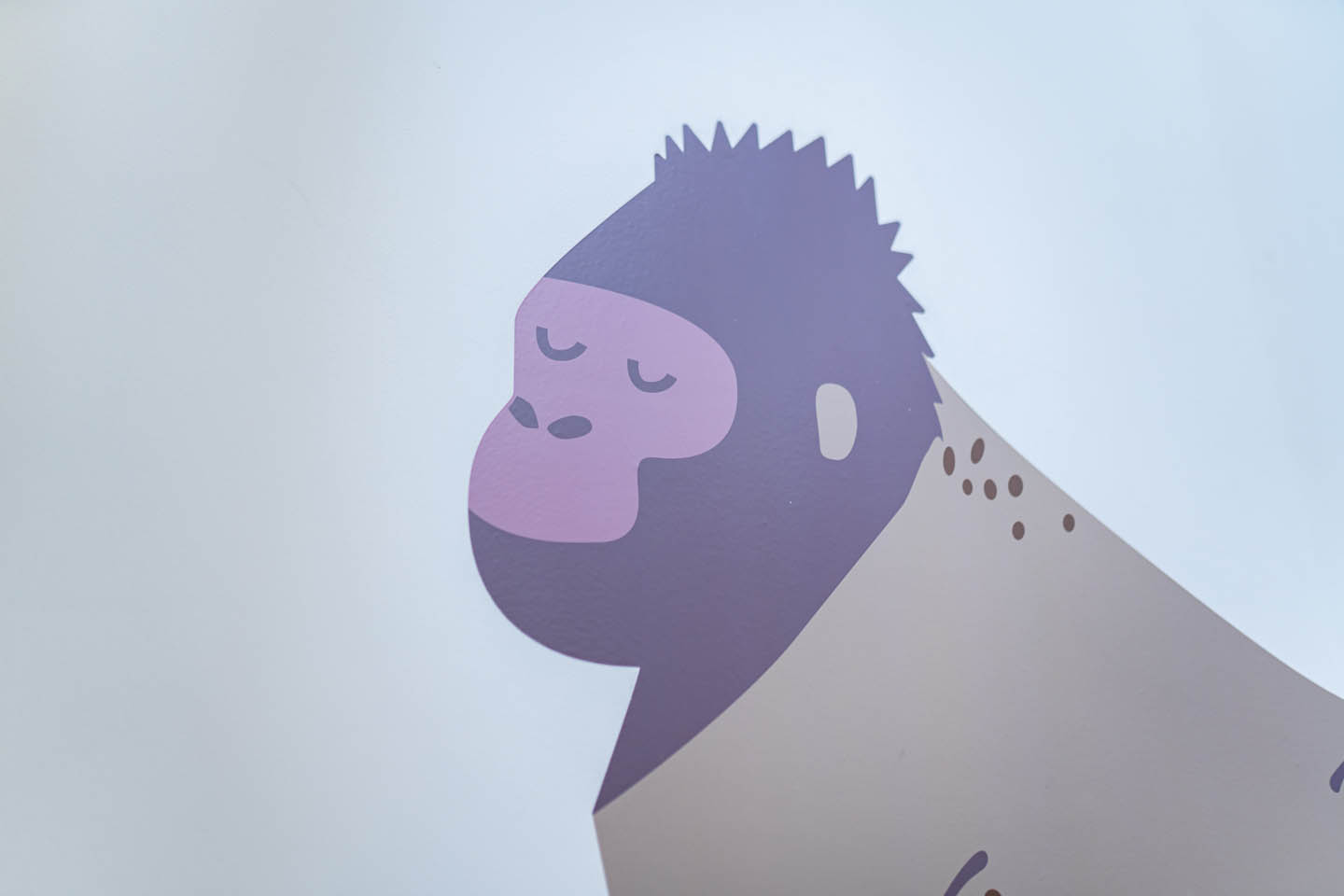
Koko was born in 1971, at San Francisco Zoo.
She was a gorilla like any other.
At first, there was nothing to suggest anything extraordinary.
And yet, over the years, Koko would do something nobody expected.
Not because she was a prodigy.
But because someone chose to truly listen to her.
Who Koko the Gorilla really was
From the time she was small, Koko was cared for by Dr Penny Patterson, a researcher who decided to try something new: communicating with her through sign language.
No rushing, no forced exercises.
Just presence, consistency and relationship.
Over time, Koko learned to use hundreds of signs and to understand many more. But what stands out isn’t how much she could do, but how she did it.
Koko didn’t just repeat.
Koko chose what to say.
When language stops being an exercise
When Koko didn’t know a word, she didn’t freeze.
She built one.
To say “ring”, she combined the signs for finger and sparkly.
To express a new idea, she invented one.
In moments like that, it becomes clear that language is born from the need to communicate something that truly matters.
Emotions that need no translation
Koko also used language to express emotions.
When she lost her kitten, All Ball, she showed sadness, pain, grief.
No explanations are needed.
Anyone watching understands.
Real communication isn’t made of perfect words, but of connection.
Why this story is about children too
Children learn in the same way.
Not because someone explains a rule, but because they live an experience.
They listen.
They try.
They get it wrong.
They try again.
If they feel welcomed, they carry on.
If they feel judged, they stop.
Koko wasn’t forced.
She was accompanied.
Respecting the pace changes everything
Koko didn’t learn quickly.
She learned over time.
Every child has their own pace.
When that pace is respected, learning becomes solid and lasting.
If Koko succeeded, it wasn’t magic
It didn’t happen because Koko was special.
It happened because her environment was.
Present.
Consistent.
Patient.
When a language becomes part of everyday life, it goes in, and it stays.
Why this story inspired us
KOKOland was born from this idea:
language isn’t imposed, it’s accompanied.
Like Koko, children too need time, trust and continuity to find their voice.
We wanted a space where language could become part of growing up, year after year.
Growing up together, year after year
Just as Koko learned in stages, children too grow by passing through different phases.
Every age brings new abilities, new questions, new possibilities.
When the pathway is coherent, English builds itself up without strain.
The result, over time
A child who grows up this way doesn’t translate.
Isn’t afraid to speak.
Feels English as something of their own.
They use it.
That’s all.
Why we’re telling this story in KOKO Magazine
Because it’s about possibility.
About respect.
About trust.
And that’s what we want to offer every child who joins KOKOland.
Want to discover the KOKOland method?
If this story has moved you, maybe it’s time to get to know our educational approach more closely.
Keep reading
Free Demo Day
Try a free Demo Day.
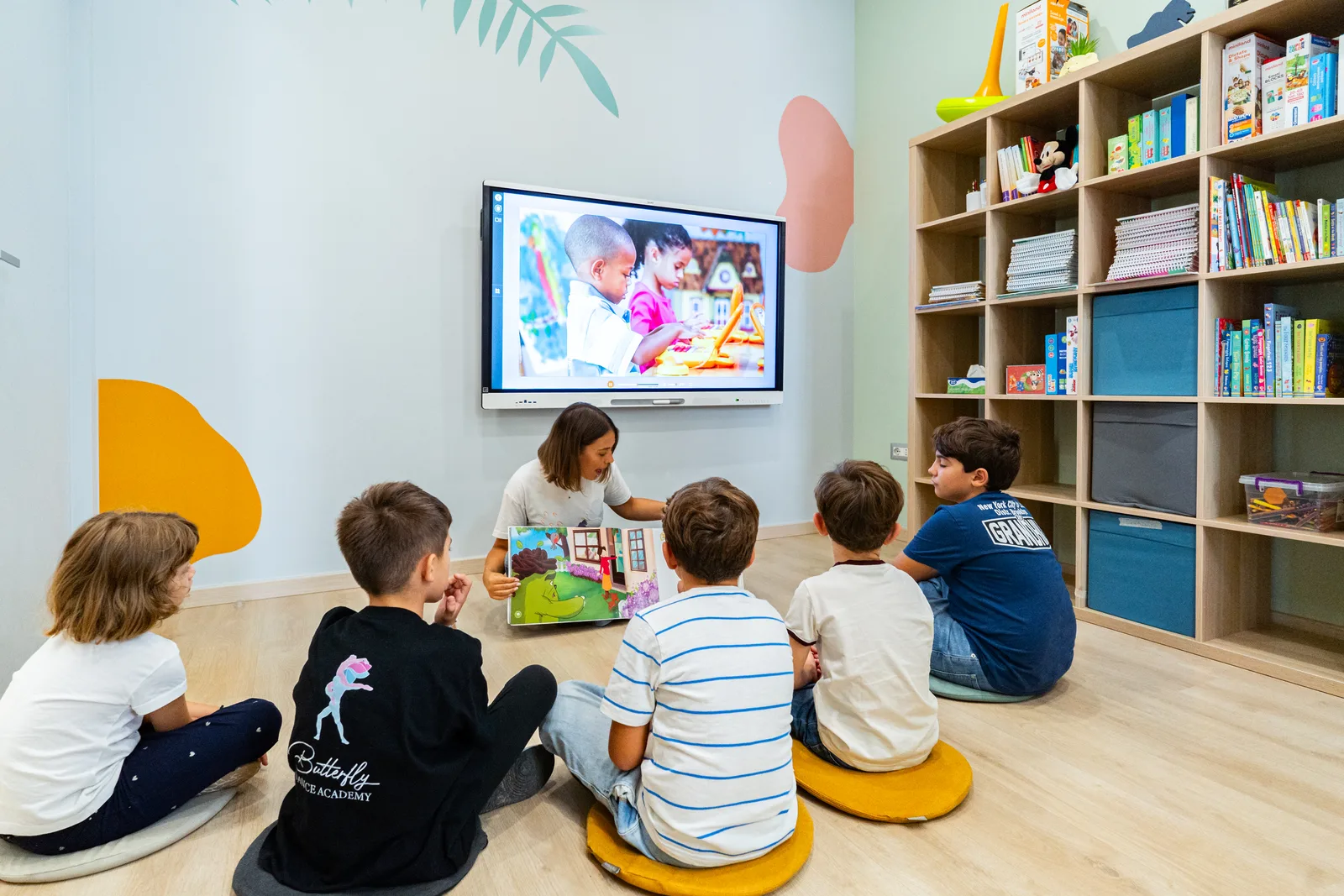
A dynamic learning activity in English, in a small group of children their own age, with the teaching team.